Crysta McGee

Case Studies

Made with communities, not just for them.

None of these started with a slogan. They started with questions: who needs to hear this, how does the message actually reach them, and who may they trust to say it?

One approach, from Eastern Kentucky work

Different problems get different approaches. This is one I built for Eastern Kentucky and presented at the Association of Organ Procurement Organizations (AOPO) annual conference in June 2026. It runs on free federal data, and it works without a budget.

Identify · Understand · Partner · Measure

01

Identify

Use the Social Vulnerability Index (SVI), PLACES, and other free federal health data to map where vulnerability is highest and registration is lowest, down to the county and census tract. The tools are free, the research spans years, and most organizations never open them.

02

Understand

Find the barriers. Chronic disease burden, behavioral health risk, broadband gaps. The barrier decides the strategy, and sometimes it points somewhere nobody expected.

03

Partner

Put the message within organizations that already have standing on food, education, and safety, then follow their lead. The mission should ride inside the community's priority, never the reverse.

04

Measure

Pick the measure the work can actually move, then hold yourself to it. In Eastern Kentucky, that was ZIP code-based registration over time.

Applied at Network for Hope

A merger created a new four-state organization with two legacy playbooks and no shared strategy. Instead of splitting the difference, I started from evidence: a ZIP code-level needs assessment built on public health frameworks. That map now decides which markets get campaigns, which partners we work with, and which key performance indicators leadership tracks.

Running the department

Campaigns are the output. This is the operating side: the budget, the vendors, the agency, and the systems that decide whether any of it ships.

Agency and creative direction

I am the internal owner of the agency relationship for a six-channel social program. I originate campaign concepts the agency executes, direct their teams on tone and audience positioning, and hold final approval of creative that goes out. That approval includes sensitivity review on donor family and recipient stories. I review monthly agency performance against campaign objectives and decide what stays in-house.

Budget and vendor management

$3.1M budget across a four-state region. I scope and brief creative vendors across video, print, polling, exhibit, and media. I direct paid media strategy and placement decisions now, and I bought media directly in a previous role, so I know what I'm asking vendors for.

Systems that pay for themselves

A merger left two organizations printing versions of the same materials. I redesigned and consolidated the collateral system, cutting $100,000 in duplicate printing.

Owned audience

Directed an email capture strategy at community education events that grew the newsletter from 1,472 to 3,108 contacts in six months, a 111% increase, while open rates rose from 33% to 55%. A giveaway at the education tables lifted newsletter signups 75%.

Built to outlast me

Work I have designed keeps running without me. Sixteen state programs publish photoblogs on a template and process I built and taught. The City of Madisonville adopted the Free Outdoor Movie Night model and now runs it themselves. An executive director at a nonprofit in a different sector uses an implementation framework I wrote. The Barbershop and Salon Talks facilitation model is documented as a toolkit so that the program can run without staff in the room. Anyone can execute a campaign. The harder task is building something that outlasts you.

Strategy at the leadership table

I co-lead Network for Hope's change management goal team, twelve people from across the organization, executing the five-year strategic plan we built with the consulting firm Stratex.

That plan has taken roughly a year, with more ahead: stakeholder and employee feedback first, then an organizational results review, SWOT analysis, and environmental analysis, then vision, values, core competencies, goals, and measures. The tactical layer sits inside that: identify strategies, price them, prioritize, execute, measure, govern.

What makes it work is the center of the model. Every tactical strategy links to an individual employee work plan. A plan that stops at the department level is a document. A plan that reaches the person doing the work on a Tuesday is a system, and that's the difference between a strategy people execute and one they file.

Network for Hope2024 to Present

Community Campaign

Voices

of Hope: the messenger matters as much as the message

Voices of Hope

Network for Hope

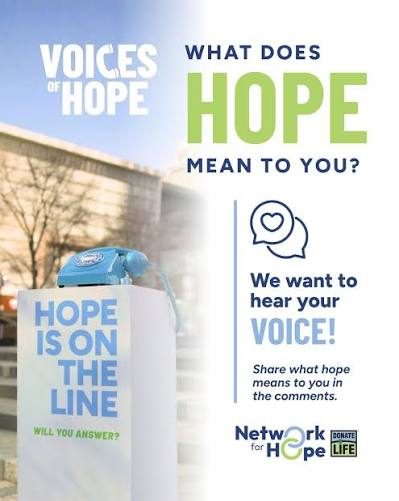
Voices of Hope carries donation education into the places where crowds gather, delivered by familiar faces in the community.

The campaign launched with a 2026 pediatric calendar and companion films that put families and children behind the mission on camera. Every participant painted what hope means to them, and their artwork became the calendar.
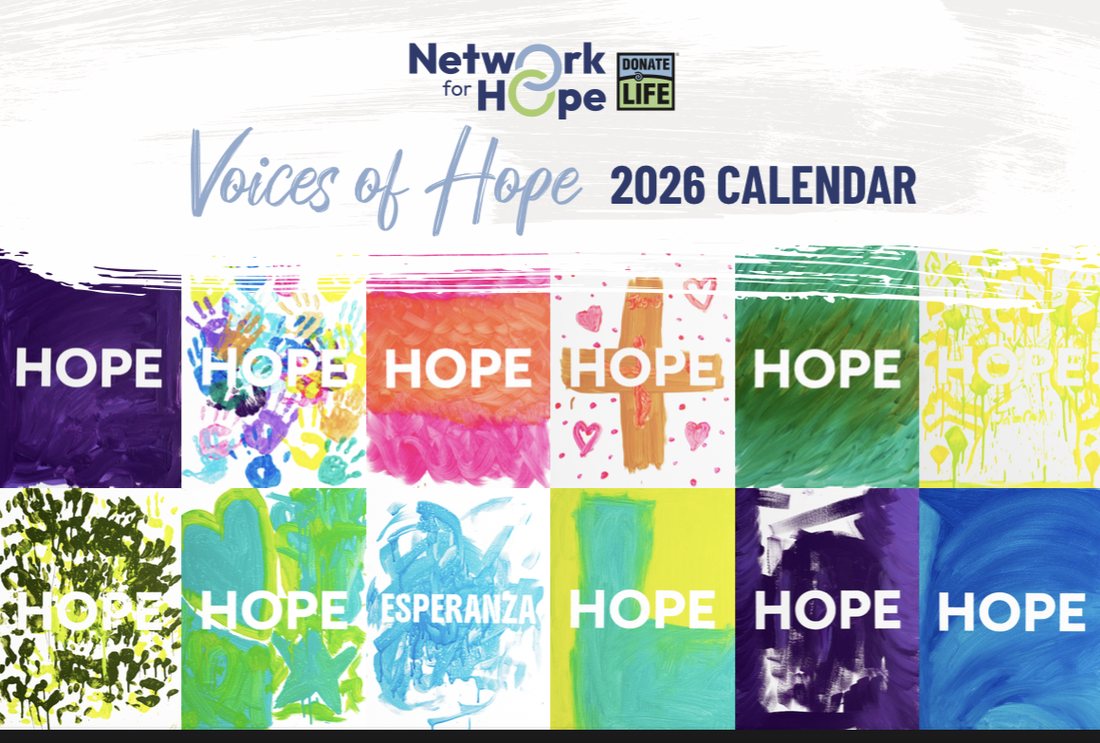
Voices of Hope 2026 calendar cover, a grid of paintings of the word HOPE

The 2026 calendar cover, built from participants' own artwork

Maria is one of the twelve. Born with severe complications, she lost a kidney at nine, finished her degree, and is now searching for a living donor. Her spread runs in March, alongside Kidney Awareness Month.
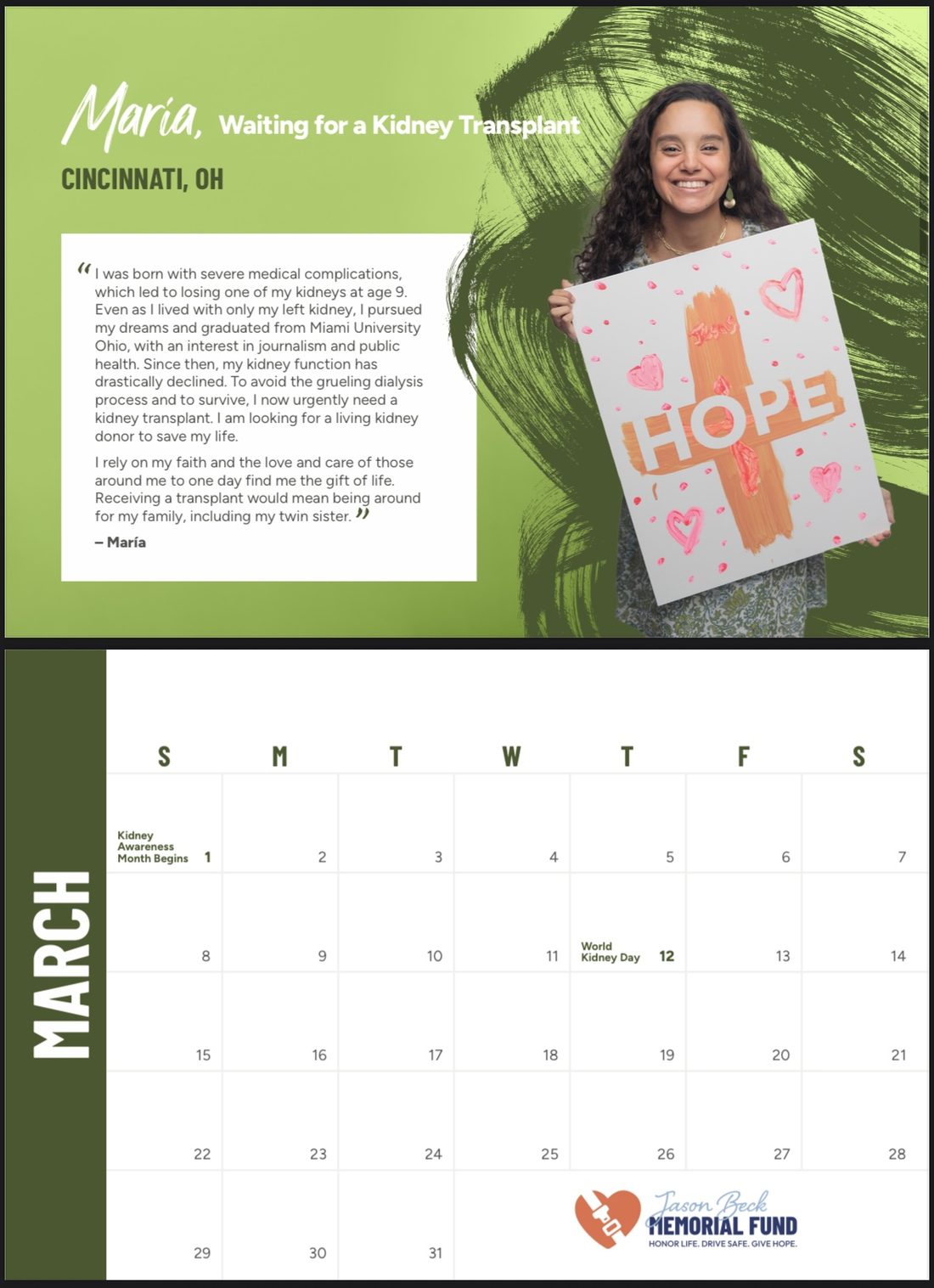
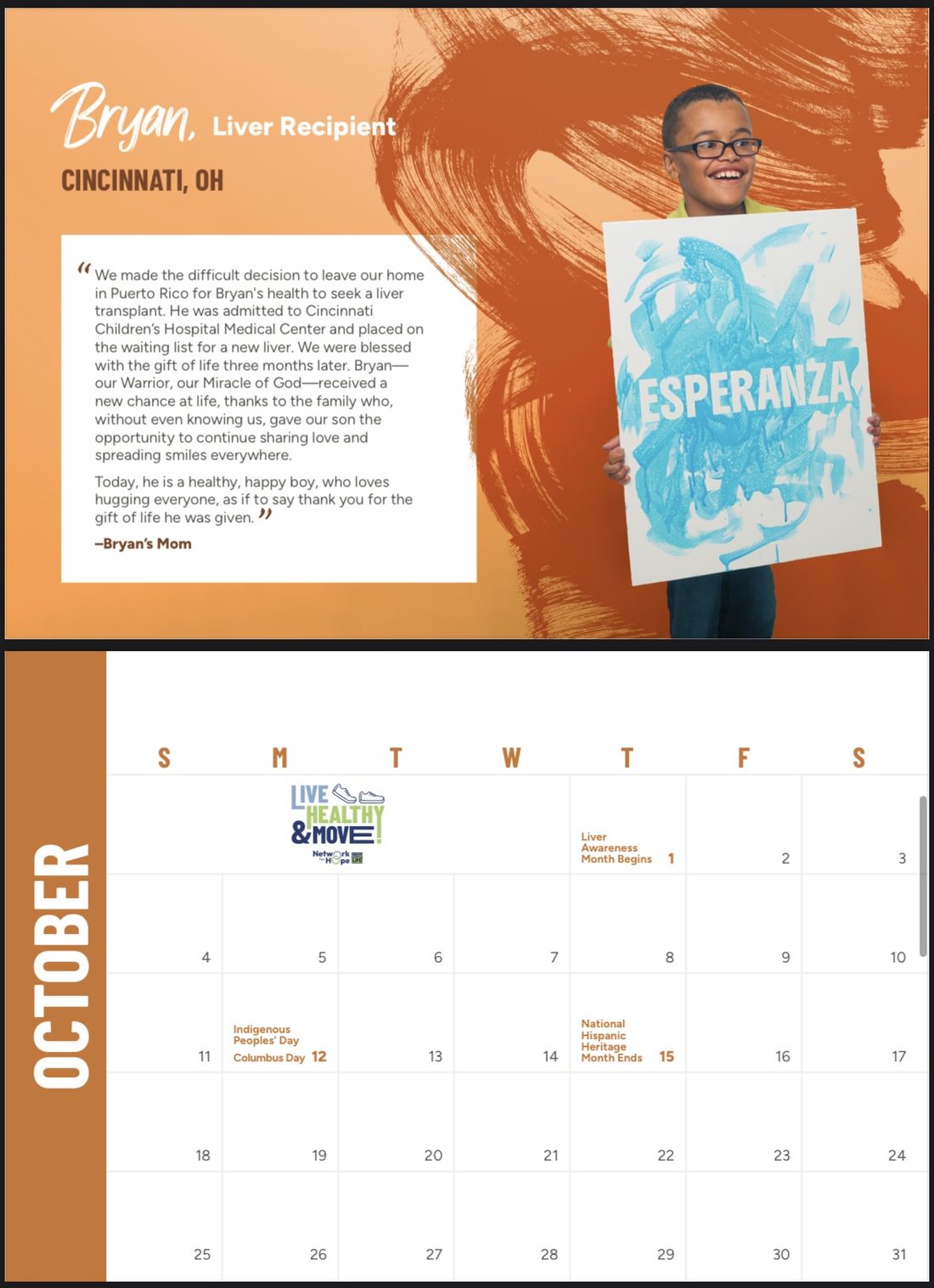
Maria's calendar spread, waiting for a kidney transplant, Cincinnati, Ohio Bryan's calendar spread, liver recipient, with artwork reading Esperanza

Maria, still waiting. Bryan, a liver recipient whose canvas reads Esperanza.

The calendar was also produced as a full Spanish-language edition, which is why Bryan's canvas reads Esperanza. Families told their stories in the language they live in, rather than having them translated after the fact.

Jaylynn's story: she nearly lost her eye at age 2. A donor changed everything.
Community Health

Trust

travels through people, not institutions

Barbershop and Salon Talks

Network for Hope

Kidney failure hits Black communities and rural Appalachian communities harder than almost anyone else, and both have valid reasons to distrust the healthcare system. Different histories, same result: trust moves through people, not institutions.

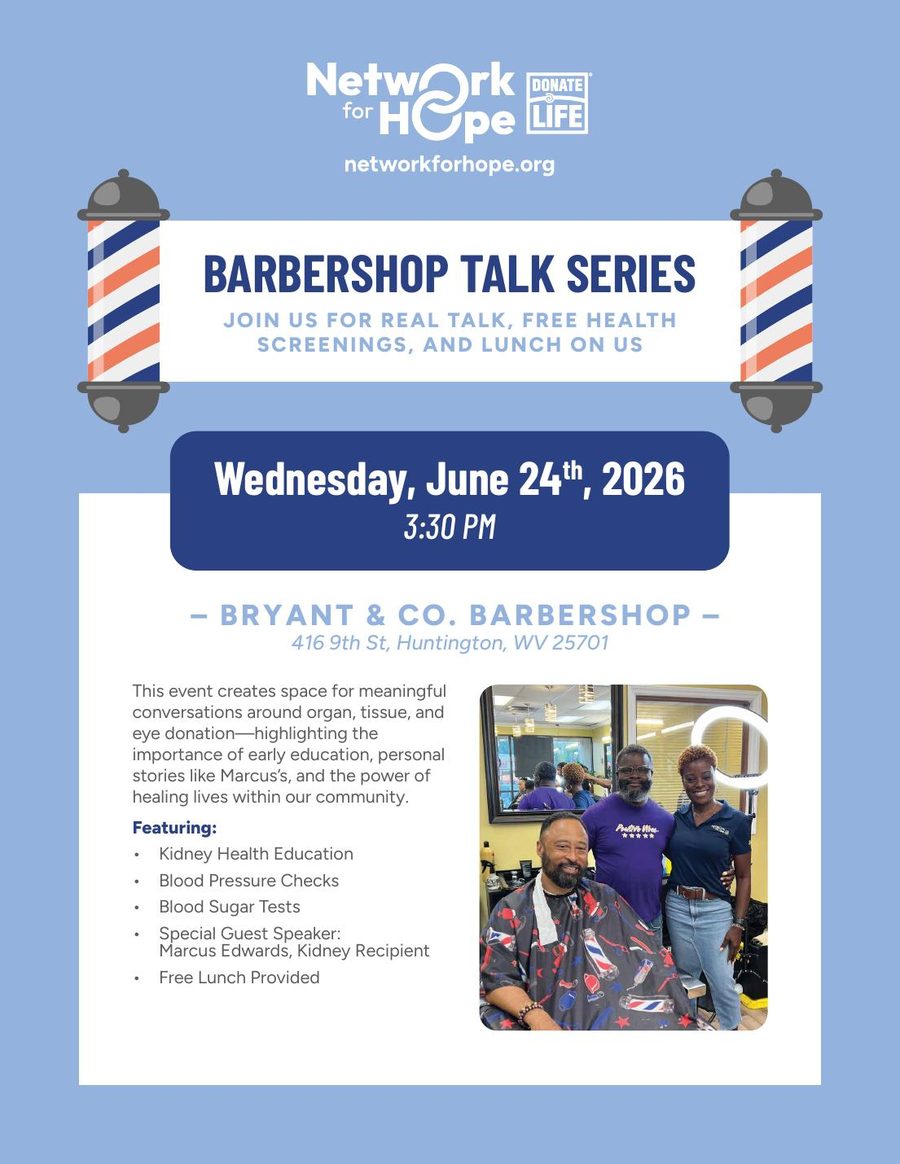
So the program goes where the relationships already are and where people already have to go: barbershops, salons, churches, diners, community centers. Barbers and stylists are trained as community ambassadors rather than treated as venues. On-site blood pressure and glucose screening runs alongside the conversation, so the visit meets a need whether or not anyone registers as a donor.

It was built to be measured and to be handed off. Pre- and post-surveys track changes in knowledge and sentiment rather than attendance. Targets cover session counts, screening volumes, ambassador training, and partner retention across five to ten locations. The facilitation model is documented as a toolkit so the program can run without a staff member present.

Barbershop Talk Series flyer for Bryant and Co. Barbershop in Huntington, West Virginia

Series flyer: real talk, free health screenings, and lunch

LEX18 coverage of the Lexington launch

Public Activation

Hello?

Pick up, and hear something you won't forget

Hope is on the Line

Network for Hope

In the middle of Cincinnati's Fountain Square, we set up a phone. Anyone passing by could pick it up, and on the other end were people whose lives had been changed by organ donation and transplantation: recipients, donor family members, and mission staff, offering hope to whoever answered.

The activation turned an abstract cause into a one-on-one human conversation in the region's busiest public square, and the film that captured it brings that intimacy to everyone who couldn't be there.

The Hope is on the Line phone installation on its stand

The installation: pick up, and hear a voice on the other end

Explore Voices of Hope

Long-Form Storytelling

441 days

in a hospital, waiting for a heart

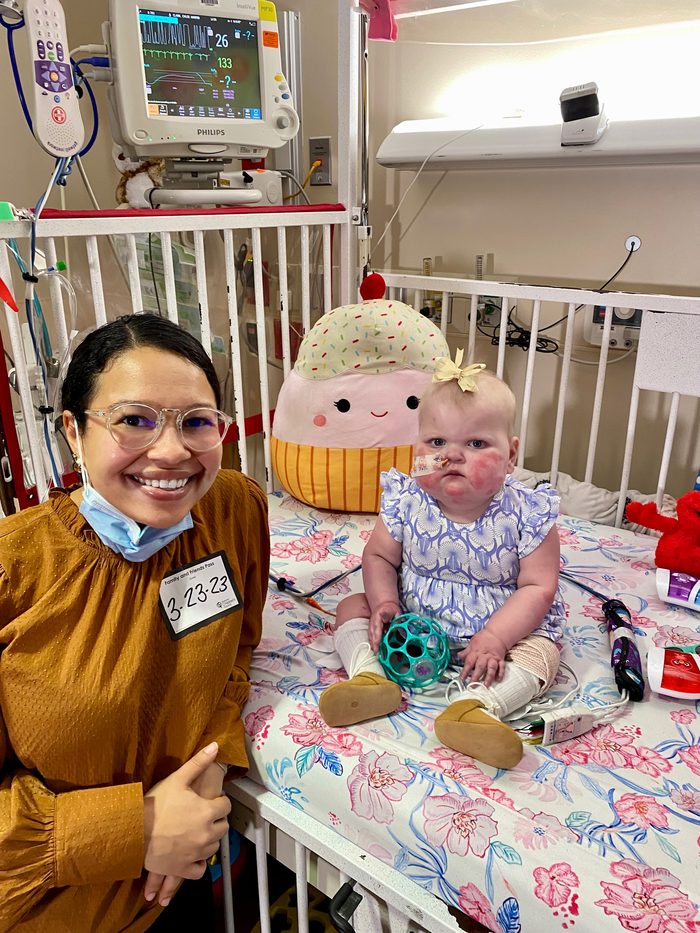
Crysta with Chloe at the hospital

Chloe: the story that didn't end when the campaign did

Donate Life Kentucky, then Network for Hope

The first time I met Chloe, she was two years old and waiting for a heart transplant. She went on rides around the hospital, connected to tubes, instead of taking walks outside. That video ran under Donate Life Kentucky, and like most campaign videos, it was built to change minds: to make a stranger understand that the waiting list is not a number, it's a kid with her whole life ahead of her.

Two years later, at a different organization, I filmed her again. This time the story was about what came after: parents with a child who got her life back. Campaigns rarely get a second chapter.

Before transplant, and after

Sports Activation

359

new registrations across one season of Friday night lights

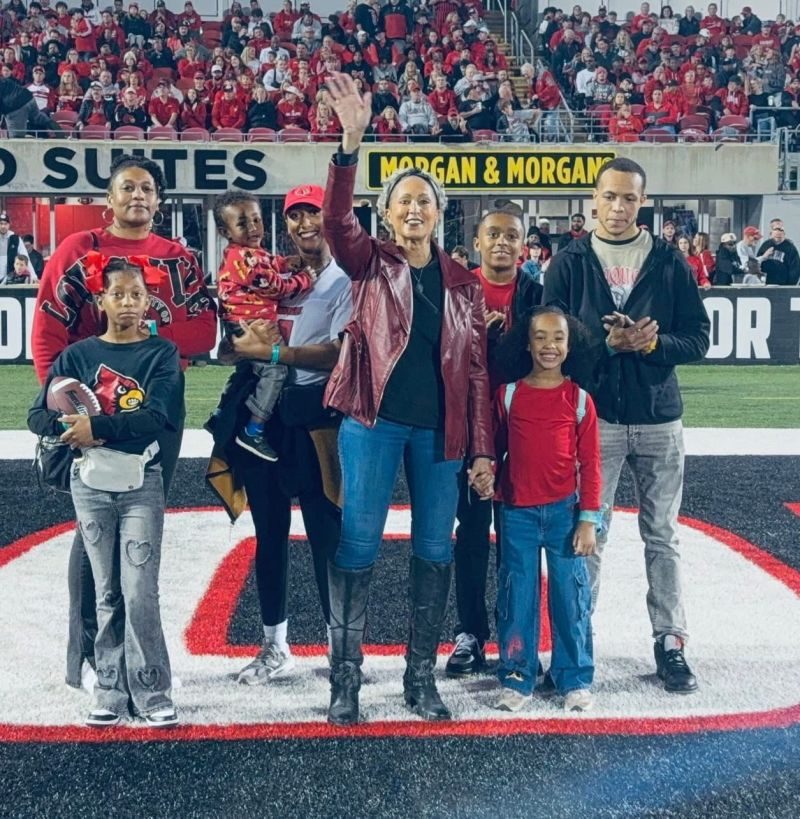
An honoree and family recognized on the field at a University of Louisville game

Greatness Begins with Hope

Network for Hope

Game day. Community impact. Lifesaving hope.

Greatness Begins with Hope brought organ, tissue, and eye donation into the one place a whole community already shows up together every week: the football field.

I set the strategy and made the final calls; my engagement team carried it out across three high schools (Sycamore in Cincinnati, Frederick Douglass in Lexington, and Corbin in Kentucky) and three universities (Cincinnati, Louisville, and Marshall), spanning Kentucky, Ohio, and West Virginia.

Every activation ran the same three-part play. Honor a local community member whose life had been touched by donation, with their story read aloud to the crowd. Educate fans at tables staffed by trained local volunteers with a personal connection to the mission. Then put the message in people's hands with giveaways made for the crowd in front of us: helmet decals and bag tags for high school players, 2,000 headbands at Louisville, 3,000 thundersticks at Marshall, and 2,500 drink koozies at Cincinnati.

The honorees carried it. Adria Johnson, CEO of Metro United Way, whose son was an organ donor. Mario Jarrett, who played high school football locally and received a heart transplant after collapsing at practice. Recipients, living donors, and donor families were recognized on the field in front of the people who already knew them.

Honorees recognized at midfield, University of Louisville

Outcome: 359 new registrations, 124 of them from people aged 18 to 24. Registries rose in every county that hosted an activation. 51,381 fans reached at Louisville, an 11,367-view Instagram collaboration with Marshall Athletics, and on-air coverage from FOX19.

Data to Dinner Table

1%

registry growth in a year, where the data said access, not ads

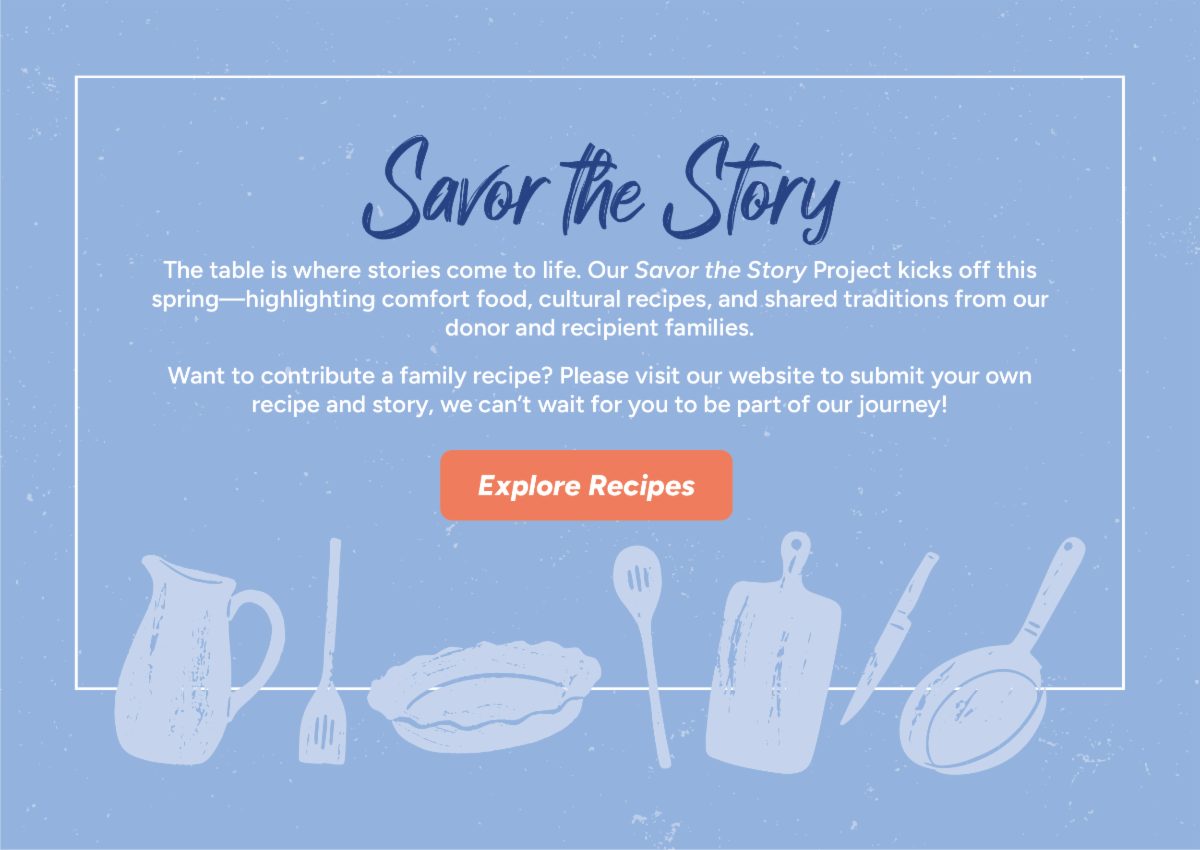
Savor the Story campaign graphic

Savor the Story

Network for Hope · Eastern Kentucky

Elliott County had the lowest donor registration in Eastern Kentucky and some of the highest social vulnerability in the state. On the maps, those two things sat almost on top of each other. The obvious move was digital advertising. The data stopped it: broadband gaps meant the ads would land nowhere near the households they were written for.

The region carries a heavy chronic disease burden, with residents roughly 10% more likely to have diabetes than the rest of the state. On top of that, during the 2025 Appalachian floods, as many as 20,000 people a day were waiting on food assistance. So the entry point became food, but healthy food only helps if you know what to do with it. Families were opening boxes and finding eggplant with no clue how to cook it. That gap is the whole reason Savor the Story exists. We paired health-indicated food boxes with recipe cards that honor each participant by name and story. Each card carries a QR code linking to donation resources, and we keep a steady team presence at food banks and farmers' markets.

Outcome: 1% registry growth in the targeted area within a year. Alignment is evidence, not proof, but the increase showed up where the work did.

Earned Media

On air

A podcast episode and a press push, timed together

This Thing Called Life: Corie Blount's story

Network for Hope

For an episode of the This Thing Called Life podcast, I helped coordinate a conversation with former University of Cincinnati standout and 11-year NBA veteran Corie Blount, who shared something far bigger than basketball. His 25-year-old son, CJ, is on dialysis now, waiting for a kidney while the family looks for a match.

Long-form audio gives a story like that room to breathe. We timed a media activation alongside the episode so it landed with sports listeners and with media in one push. The family then carried it into the community in person, including a first pitch at a Cincinnati Reds activation at Great American Ball Park.

See the Reds activation
CDC Foundation2023 to 2024

Federal Public Health

16

State programs, one national communications strategy

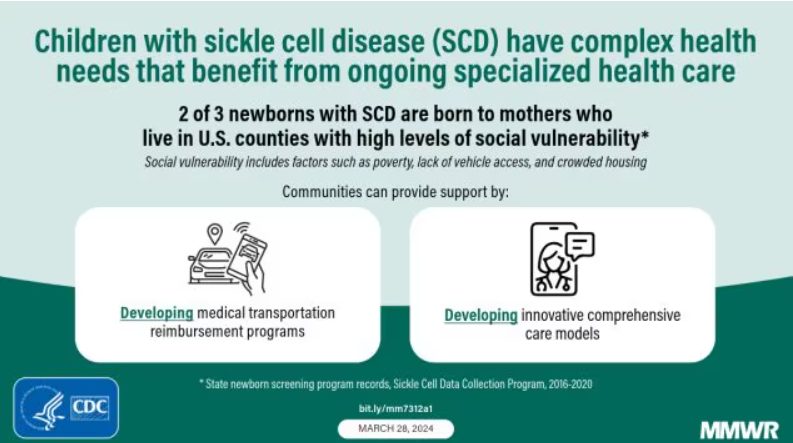
CDC MMWR sickle cell infographic

Sickle Cell Data Collection (SCDC) Program communications

CDC Foundation · Health Communications Specialist

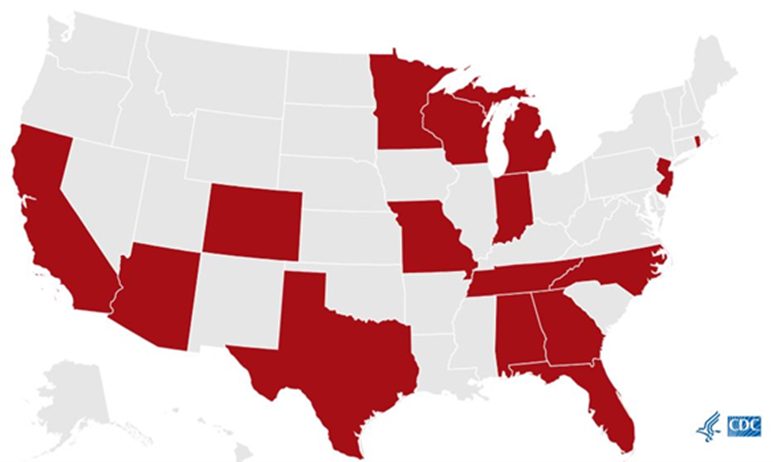
Map of the United States with the 16 Sickle Cell Data Collection Program states highlighted

The 16 states in the Sickle Cell Data Collection Program

I led national communications strategy for the Centers for Disease Control and Prevention (CDC) Sickle Cell Data Collection Program across 16 state programs. The work included turning complex health data and scientific guidance into plain language for policymakers, government partners, and public health leaders.

I helped build and run a monthly Community Outreach Workgroup with more than 100 participants, overhauled "The Bloodline" quarterly newsletter, and supported the SCDC website revamp.

Health literacy runs through it all. The program's surveillance research on sickle cell birth prevalence and social vulnerability was published in CDC's Morbidity and Mortality Weekly Report, the agency's flagship scientific publication. For that release, I helped create the public-facing graphic and the plain-language explainer. Those pieces made the findings legible to someone without a science background.

The grantee work was hands-on: capacity building and technical assistance across all 16 state programs, including helping states build their public-facing websites, such as California's SCDC site at Tracking California.

The most durable output was a storytelling system. I created the photoblog template and walked through it with every state, from finding the story to publishing it. The programs then published on their own sites without me, some housed at state health departments and some at the universities and nonprofits running the work. Six of those, plus a success story series from the program's six original states, are still live today: Wisconsin, Michigan, Texas, Georgia, North Carolina, and California.

Outcome: Social media engagement up 361%. Media mentions up 165%.
Donate Life Kentucky / Kentucky Organ Donor Affiliates2017 to 2023

Community Event Series

Best ROI

a national return on investment award, and a town that kept the idea

Free Outdoor Movie Night

Donate Life Kentucky

The premise was that nobody has to talk about organ donation if they don't want to. A free movie in a public park, free popcorn and cotton candy and snow cones, school supplies for the year ahead, and Encanto after sundown. We piloted it in Louisville in 2021, then took it statewide in 2022 as a three-city series starting at a park in Madisonville.

The barrier was never information; it was the conversation. Organ donation gets treated as a subject for the worst day of your life, so people avoid it until they have no choice. Putting it in front of a family movie on a summer night changes what kind of subject it is. Location selection followed the same logic: the series went to communities that rarely get events this size, not to the cities where turnout is easy.

The film was also chosen on purpose. Encanto opens with a father's death and spends the rest of its time on a family remaking itself around loss.

In Madisonville, the event ran with Circuit Court Clerk Tanya Bowman, whose office promoted it locally and whose staff worked it as volunteers. At the time, clerks' offices issued driver's licenses, which is where most Kentuckians say yes to donation. Partnering with the clerk put the people who process registrations in the park alongside the families who might make one.

Recap from the most recent screening, Louisville, 2025

Outcome: Planned for 150 families. Roughly 1,400 people came. Won the Donate Life America Pinnacle Award for Best ROI, from a nomination I wrote. The City of Madisonville now runs its own summer movie nights in the park.
The Messenger coverage

Integrated Campaign

14.8M

Estimated audience exposure, February to May 2023

Save My Human

Donate Life Kentucky

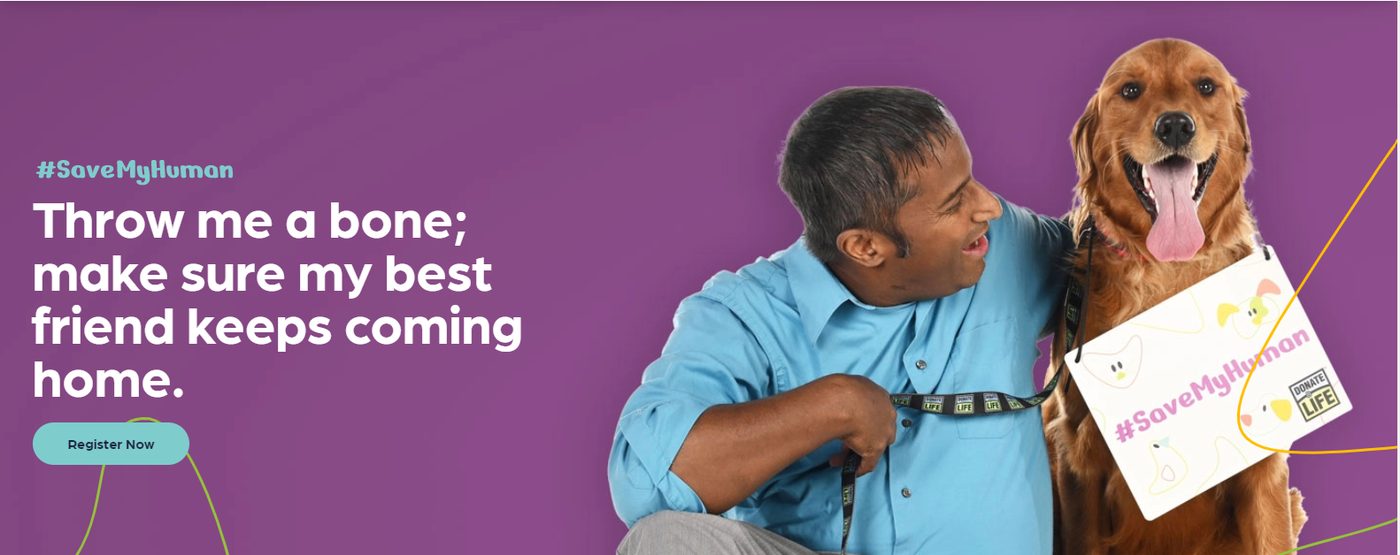
Save My Human campaign banner

Save My Human campaign creative

Save My Human made the case for organ donation through the eyes of the pets whose humans needed a transplant. The integrated campaign used user-generated content, 12 micro-to-macro local influencers, an animated commercial, real patient stories, geography-based media pitches, merchandise, billboards, bus shelter posters, and a standalone campaign website. I planned and bought the paid placements.

The influencer program over-performed and helped the campaign go viral, reaching an estimated audience of more than 420,000 for less than $2,000. Several influencers have stayed on as advocates for the mission.

The animated commercial

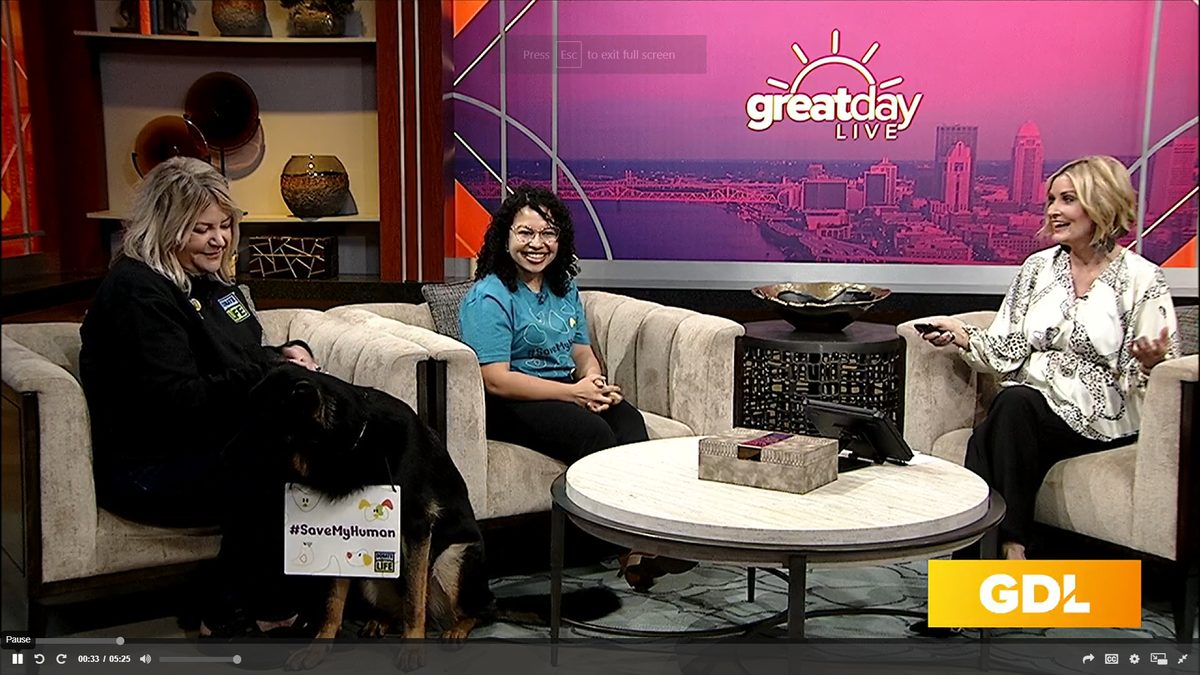
Crysta presenting Save My Human on Great Day Live

Save My Human on Great Day Live

Outcome: $426,079 in estimated publicity value and 14.8M in estimated audience exposure in the first phase, with top news hits including a Yahoo! News mention.

Multicultural Campaign

35%

of the national waiting list, 13% of the population

Faces of Donation portrait

Be the One & the Faces of Donation art exhibit

Donate Life Kentucky

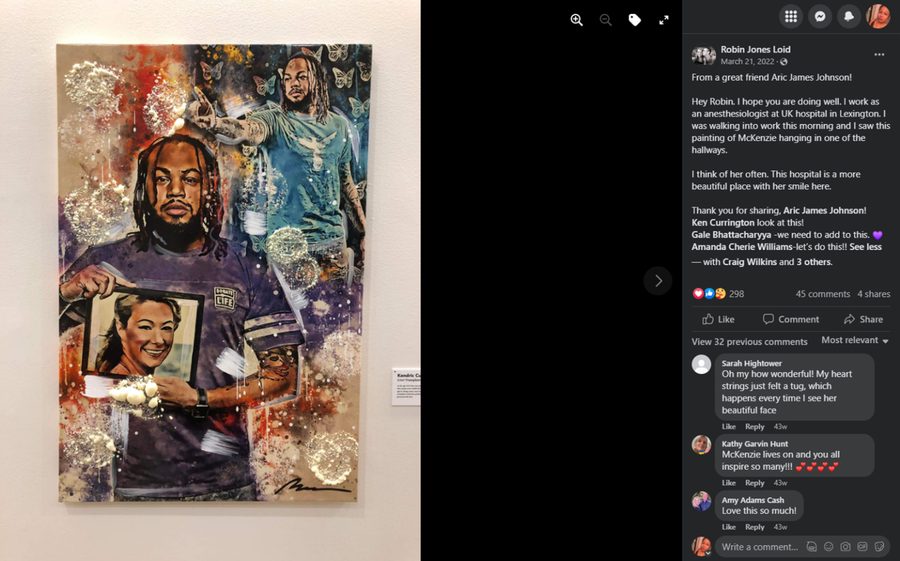
Black Americans make up roughly 13% of the US population and 35% of the national organ waiting list. Be the One worked on that gap where the conversation was already happening: in churches. Pastors led it, starting with a faith leaders panel for National Donor Sabbath, alongside recipients and donor families from congregations across the region.

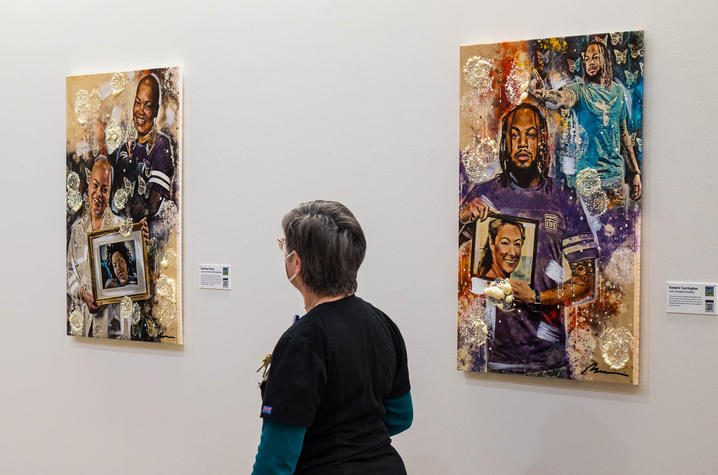
The campaign culminated in Faces of Donation, a traveling art exhibit I produced with a local Louisville artist. Seven portraits showed the full ripple effect of donation: recipients, donor families, extended family, staff, a nurse, and a transplant surgeon. I directed the shoots, ran print production and vendor coordination, built story cards, and QR-tracked the full stories that accompanied each portrait.

Visitor viewing the Faces of Donation exhibit

The Faces of Donation traveling exhibit

I pitched the exhibit to newsrooms across the region, and the coverage did what the exhibit did: it put the disparity in front of people who had never seen it stated plainly.

Outcome: nearly $475,000 in earned ad value, 115 media mentions, an estimated audience of more than 10 million, and a 6% increase in registry rates in specific West Louisville ZIP codes from 2021 to 2022.
WLKY coverage
UKnow coverage of the UK Chandler unveiling

Want the full story behind any of these? Just ask.

Every campaign on this page started with a real person. I'm always glad to talk through how one came together.